Monday, March 26, 2012

SKYWARN, the vital groundtruth

by Robert Hawkins, KI4HEE
Tornado descending from a thunderstorm over New Mexico.
Springtime. While always a welcome change to warmer weather, the changing weather patterns often create unstable conditions that sometimes become catastrophic. It's the mission of the National Weather Service to serve the public with the most accurate weather monitoring information available, and has become technically able to give weather warnings down to the neighborhood level. But while the most sophisticated Doppler Radar, and the fastest Super Computers do spot trouble from the skies, it's the "eyeballs" on the ground, the eyewitness reports that the National Weather Service relies on, that makes sure their super-keen hardware is giving them accurate data.

The NWS SKYWARN program is the front line resource for accurate weather reporting. Reports from trained weather spotters in and out of the SKYWARN program is the "ground truth" the weather forecasters rely on.

It's not difficult to become a SKYWARN spotter, anybody can become one. But first, you need to learn just what the NWS is looking for, and how to report it accurately. National Weather Service Offices nation-wide schedule informal classes & there are online presentations, like here, from the Wilmington office of the NWS, that teaches you the basics.


Many Hams are involved in SKYWARN. The nature of instantly coordinating a spotters network in response to a local weather event is a skill that comes easily to ham radio. You too can participate, and in doing so, offer the most important tool in the National Weather Services Forecast & Reporting Arsenal.

Wednesday, March 21, 2012

"How about a APN Ham Radio Net?"

CQ CQ Bob Hawkins, KI4HEE here with a word about Ham Radio Nets...

According to Tom Martin, (one of the APN head cheese's) there's a clamor for a APN Radio Net here in the Southeast US.  Hams in FL,GA NC & SC wanting to crank up Ham Radio's version of "Meet Ups". Back in 2009 I helped get started what is now the American Preparedness Radio Net (TAPRN) on Sunday Nights 9PM, on 3.180 MHz. But with pretty limited conditions on the 75-80 meter band at night, unless conditions are good, the net is pretty much regional to Virginia, W.VA., PA. If it's still on the air, it's a great net to check into, and I definitely recommend it. Listen for it Sundays, 9PM EST, on or about 3.180 MHz.

One of my 40 meter nets...
To the uninitiated out there, (and those of you who don't have a Ham Radio License), a "net" is generally an established meeting on the radio, on a scheduled date, time, and frequency, where Radio Operators would "check-in'. The net is "moderated" by a net control operator who directs the net through it's litany of activities like checking in operators to a roll call, conducting a "rag-chew" discussion session, passing radio traffic or making announcements, or organizing those checking in who have announcements to make. The net control position is often shared on wide-range nets with other operators who can assist in getting stations that the main net control may not be able to hear directly. But generally speaking, the net control position in a net is of glorified traffic cop directing traffic.  

Ham Radio Nets offers great way of getting radio operators together on a common topic, more importantly, they serve as practice for conducting the standard methods of real world emergency radio nets. Being proficient in participating in a informal net gives you the basic knowledge necessary to conduct your own net, or be able to assist a net if there's an occasion that merits it.

While there's nothing stopping APN Ham operators holding any formal nets, but there's some actions necessary to undertake and consider before keying up and calling a net.  Ham Radio operators all know that they have free access to designated portions of the Radio spectrum, but no one person or group "owns" any given frequency. There's always other activities that can interrupt or preclude any scheduled net. Just because you've published a time & place, if someone is there on frequency, you can't barge in and take over. (Sadly, some organized nets, or actually some organized net participants fail to realize that.)  The first thing to do is to scout out where and when a net can be held that will not disrupt already established activities. We want no net wars here.  The best way to achieve that is to monitor some frequencies over a period of several days, different times of the day, noting what activities are going on, learning the rough pattern.  It's difficult, but after a while, spots on the bands on certain days will begin to stand out as likely candidates. Even after vetting a particular time and place, you can count on finding some activity on your precious "turf", and flexibility in net times and frequencies (on or about x hour & on or about x frequency) is necessary. Pay heed that there are some who have met on a particular patch on a band, on a particular time of day for years. Again, even though no one "owns" any frequency, it's always prudent to be a good neighbor, and treat others as you yourself wish to be treated. Consider yourself as a newcomer and try to accomodate the best you can.


Occasionally sparks do fly from my fingers..
 If any APN operators wants to try to establish a net,  I'd offer some suggestions... (please note: these are only my personal suggestions, if you wish to say I'm all wet, I won't mind).
I'd lean toward doing a net on 20 meters, above 14.350 MHz. on a weekend afternoon, or morning. Once a week is much more doable than on a daily basis, 20 meters seems the most workable band nation wide, and with the Maritime Mobile Service Net (MMSN), the Salvation Army( SATERN)  & the Hurricane Watch Nets (HWN) inhabiting that region of the dial, it seems a good neighborhood to hang out. But... I strongly suggest monitoring spots well up above 14.350 MHz., and check first if there's a spot up there that's out of the way of anything already organized. Weekends are about the only time most Hams of working age, (yes, there are a few of us who do have jobs...) and can't work the bands on mornings & afternoons.   Unfortunately, weekends means CONTESTING, (a topic all to its own), so finding a contest free spot, outside of WARC bands, would be problematic.

Don't get between him and FOOD!
Concerning WARC (World Administrative Radio Congress) bands,  The 17 (18) meter band, 18.110 - 18.168 MHz., offers hope as a place to hold a net. While there's a gentleman's agreement of no contesting on WARC bands, there are nets there, although few and scattered. A lot of folk can't work 18 meters, but it's contest free. Some may gruff who think the agreement should include nets as well, but that equals out from what gruff you get anywhere in Ham Radio where you try to shoulder-in a net on a busy band.

Watch for further reports here on this blog. We'll aim to promote any net activity anyone wishes to announce, just shoot me a message.

Personally, I'm all for getting a net started.  I already have a APN Net Preamble available, located on it's own page here on the Blog. Feel free to use it, and send in your net report.  Since I'm my local clubs Net Manager, with extensive NCS experience, you can count on me to to help with whatever we come up with, plus I'll check in and ask to be added to the payroll whenever I can.  Anyone wishes to assist, please let your presence be known by commenting to this article, include a email address so we can co-ordinate.


'73 you all... KI4HEE 


Monday, March 19, 2012

A Realistic Approach to Prepper Communications

Can't do Morse Code or key a Mic Button
All the hysteria over the economy failing, threat of impending wars, and massive natural disasters tossing us all into the dark ages, has everyone scrambling around wondering whats going on? This article isn't going to address any of that. Instead, what it will do is offer some perspective as to what you can do to insure you have the tools necessary to reach the outside world & communicate effectively in the event that normal means of communications are interrupted.


Follow the sun
First thing first: Power to Communicate
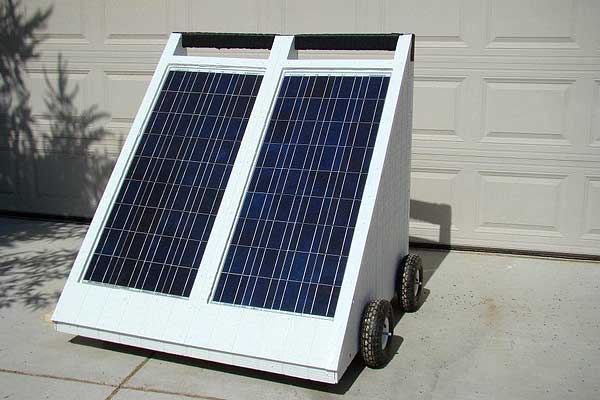
What typically halts normal communications is a loss of electricity. More likely a fallen tree limb on a power line than a zombie attack, when the lights goes out, so goes most of all what we take for granted. What you do to eliminate your vulnerability can run the gamut... from a household gas generator, a solar panel farm, steam engine generator, to ultimately total off-the-grid independence. Those who aim for the later no doubt reap the greatest long term benefit, but for your more common, more realistic short-term power outage, the smart money is in investing in a portable generator and a few gallons of gas.  Why focus on power than on comm gear? It's obvious, without power, all the fancy comm gear you could get would be pretty to look at, and not much useful otherwise. Power first, communicate second. While we're on the subject, did'ja know that most households already have a electrical generator? Usually parked in the driveway. With a DC/AC inverter, your car or truck can keep your radios, laptop, or your lighting well juiced in a pinch.


There are exceptions to the 1 week rule
Know Your Limits
While you may feel driven to prepare for forever, most disaster preparedness professionals favor a more practical bead on things. Historically, in situations causing interruptions in everyday life…floods, storms, earthquakes, etc, those who have prepared for one week under "Field" conditions cover 90% of all events. If you can prepare to live "off grid" for at least 1 week, you will have licked most of what has caused problems in the past. Do you want to prepare for longer? Absolutely. But realistically, it's smarter and more practical to aim small, miss small.

...and they want no anchovies...
Who ya gonna call?
Ok... your in a situation...say, after a big storm... Your land line phone is out, power is out, the Internet is out and your dog ate your cellphone… you want to order a take-out pizza, or contact someone and tell them "We're here!" So what's a well prepared prepper to do? If it's pizza, we can't offer much hope. But with contacting civil authorities or the outside world, it's a whole different matter. 
If you're a Ham Radio Operator, you already understand why CB radios & FMRS / GMRS radios & the like are severely limited in their scope. While great to get smokey reports from truckers, or a tramp through the woods, those class of radios are not well supported by civil authorities beyond limited tactical use. You may feel the need to talk to someone and ask for assistance, but can you really expect to find someone who is listening AND willing to render aid?  Your much better off using a 2 meter, 440 cm, or 220 meter radio set for contact with local civil agencies, and HF radio for longer range communications. For the most part, most civil disaster agencies have on contingency, equipment that monitor these radio bands, and there's often in place, UHF/VHF repeaters available that can be readily accessed. Most importantly, there is a well established infrastructure already in place that has time & again responded in these situations. A good example of HF being used is the Mobile Maritime Service Net on 14.300 Mhz., they have a long history of aiding ships at sea needing help with only HF radio capability, or the Salvation Army Team Emergency Radio Net (SATERN), with their well known efforts to provide Health & Welfare Communications.


Know Your Needs, Your World, and Act Accordingly
In closing, before all else, know first your resources. What is already out there in your community that can set you on the most effective communications path? It's the low-hanging fruit. Without knowing who you want to communicate with, you simply can't plan wisely.  As important as your link to the outside world would be, checking first what is outside your door will make a huge difference in the direction you may want to take. Knowledge is power.    C-Ya on the radio… DE KI4HEE

Wednesday, March 14, 2012

If I can become a Ham, so can YOU!

Over on our APN Facebook Group page, a good question came up..."We are looking into getting a couple of HAM radios. One for my parents and one for us. Which one is a decent one that can reach over 200 miles, but not something that costs an arm and a leg to get?"Of which I posted an answer which, while totally long winded, may be handy to post here...

It's the conditions and circumstances that determine how far a radio can communicate. For instance, using a 2 meter handheld radio with 5 watts of power, I've talked from my back yard in South Carolina, to a Ham in Great Falls Montana. Quite a feat since 2 meter UHF range is usually line of sight, (meaning, on average 30 miles at sea level).
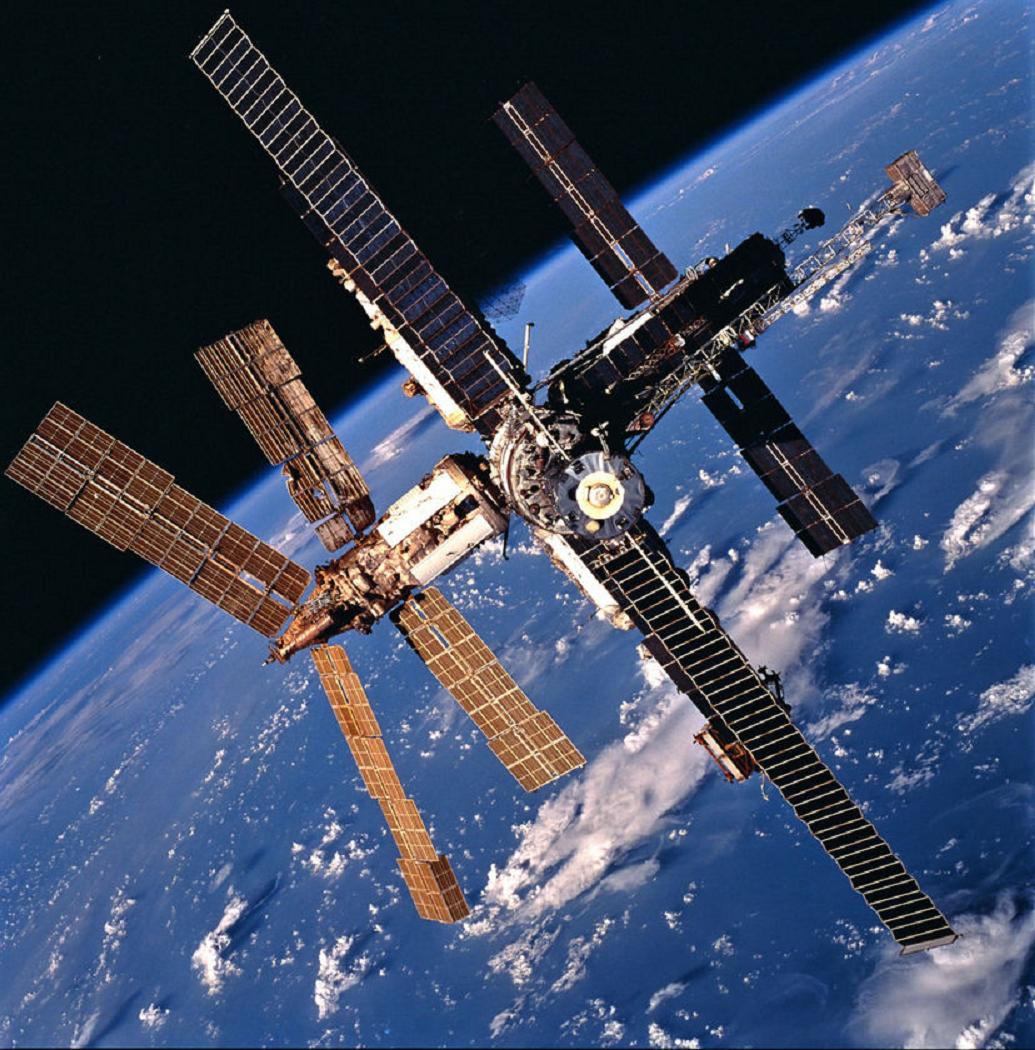
In this case, I made my contact using the International Space Station's Ham radio acting as a repeater, it relayed my signal from Montana & back. Since the ISS is 250 miles up in orbit, it's location allowed "line of sight" communication much further than here on the ground. BTW, I've talked often with the astronauts up there too.


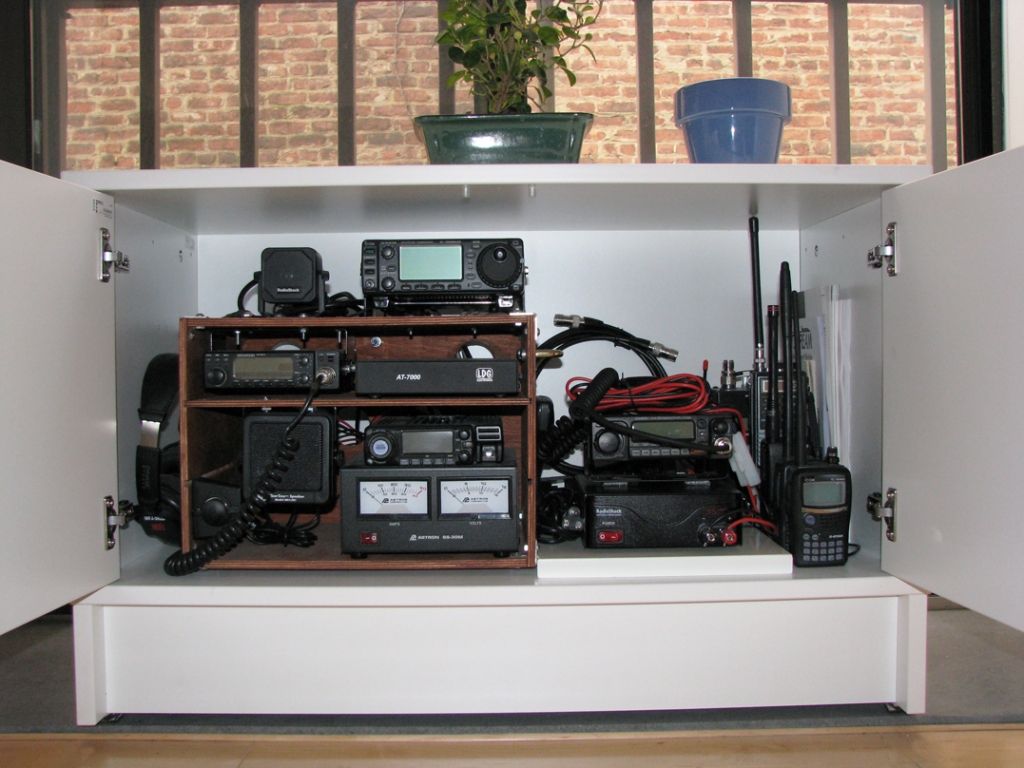
When not in use, your hamshack makes a wonderful end table.

For reliable long range communications, you have several options with Ham Radios, but we'll focus mostly on radios that operate in the HF (High Frequency) bands...from 160 meters to 6 meters. It's this range of frequencies that radio signals are commonly reflected by ionized layers of the upper atmosphere and reflect back to earth, or "skip" around the globe. Depending on conditions & the time of day, world wide communications is possible at power levels as low as 3 watts to as high as 1.5 kilowatts... the legal operating limit in Ham Radio. The make & models of these types of radios run the gamut of functionality as well as run the gamut in price, from hundreds, to thousands of dollars.

I'm a "rule of thumb" kinda guy...I tend to advise in general rule of thumb guidelines. In this case, given that you would need not only a radio, but a decent antenna, a antenna tuner, and perhaps a power supply, you should expect anywhere from $200-$500 would get you set up nicely with a older used HF radio, a antenna tuner and a good wire antenna that can be tuned for the bands your radio can operate. This is a investment on equipment that would greatly fit your needs.

First things first... get your "ticket"

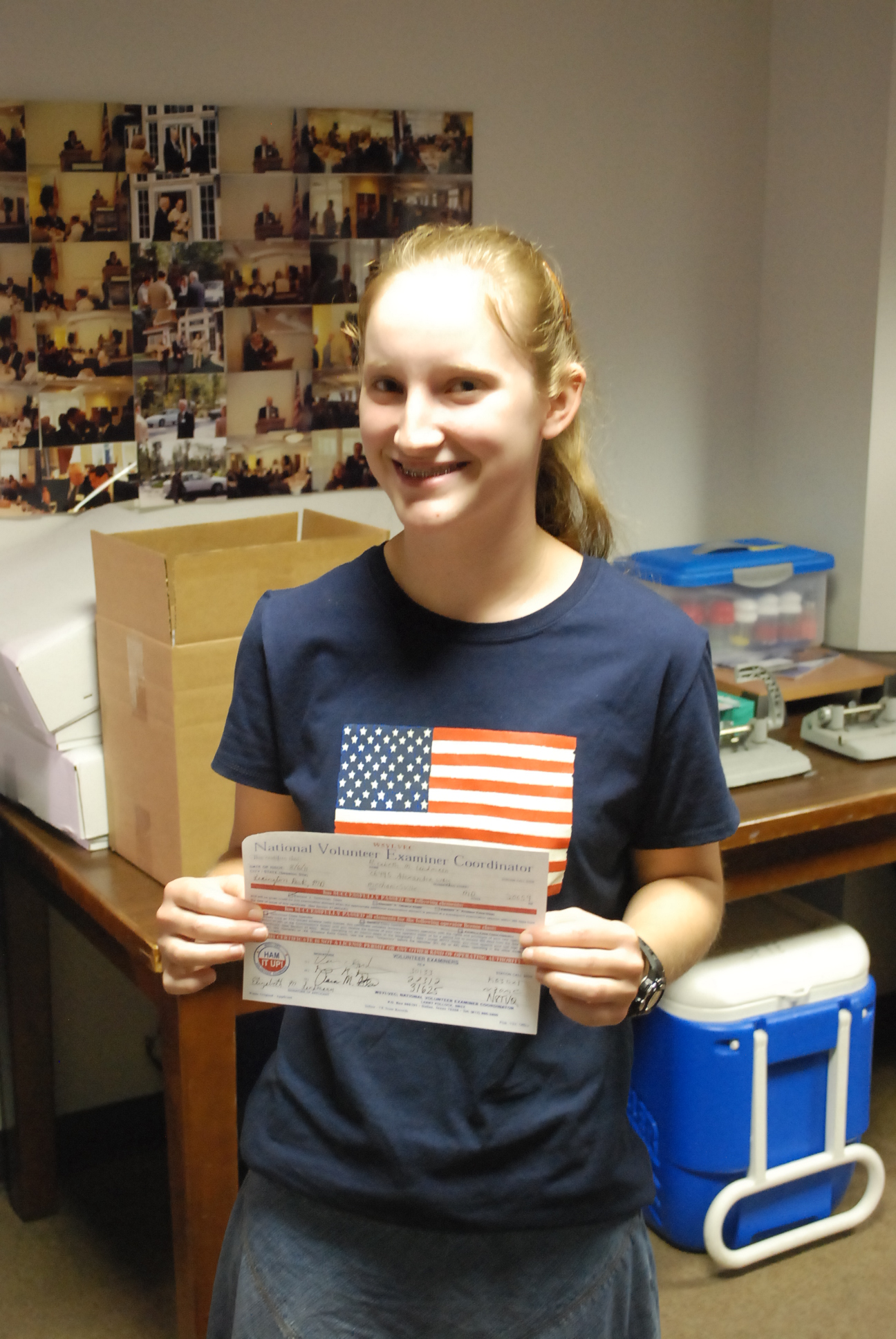
Lizzie L. shows off her new Tech License
But first, before all that, you will need to get licensed. And it's so simple now thanks to the internet. Without the need to know Morse code, anyone can get a Ham Radio License today that allows them access to the majority of the HF Ham Bands.

A General Class License opens up most of the privileges into HF and is the most common license class. What makes it so simple to get that license is that with a few websites on the internet, you can take free practice tests using the same questions from the question pool used for the real test.  My favorite is QRZ.com. They have a great practice test matrix that offers instant feedback to your answers.  Make a game of taking the 35 question multiple-choice test, and you will be getting passing scores within a week. First, take the Technician tests, start scoring consistently 80% or better, then start on the General Class test. Once you can ace both, find a local Ham Club that administers the real tests, pay the $14 processing fee, and take the Tech test first. Pass that, and you can immediately take the General Class test. If you feel really bold, you can even study for the more technical Extra Class License, I often seen folk walk in to a test session and pass all three tests in one sitting, attaining the highest class radio operator license, giving them full privileges on all the Ham Bands. So what are you waiting for? Check out QRZ's practice tests... and I'll be seeing you on the air!   -'73 from KI4HEE

Wednesday, March 7, 2012

Solar Flare Event Heading to Earth

Incoming Full-Halo CME
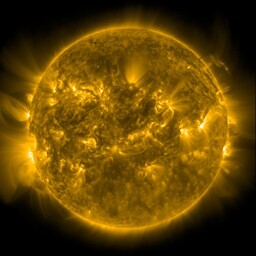
Incoming! The new WSA-Enlil Solar Wind Prediction is calling for a direct CME impact during the middle of tomorrow (March 8). The solar wind is expected to increase to over 800 km/s and Strong Geomagnetic Storming will be possible. This plasma cloud is the result of the X5.4 and X1.3 Solar Flare event very early this morning. In the new movie below, you can see that the plasma cloud is Full-Halo and heading this way.


Arrival Time Update Please note that the expected arrival time of the plasma cloud will be between 0600-1000 UTC.(1AM-5AM EST) This means sometime after 2am EST, we can expect the first signs of the incoming Coronal Mass Ejection   READ MORE HERE


RADIO BLACKOUT INDICATOR